Book Review – The Great Hunt


The second novel in epic fantasy series The Wheel of Time series. What in the Eye of the World alluded too, now in the The Great Hunt we finally get see this epic world at a large scale. Although the world is certainly massive, and the book contains a large array of characters, I personally feel like the story still very grounded and somewhat small in scope compared to the fantasy world itself.

Without given much spoilers, the “chosen one” story telling fantasy trope is very much a focal point of this novel. In it, our main protagonist struggles with the prophetic task and duty, in a way also steering to another fantasy trope. That is the coming of age. In this book we follow our hero through a journey ie “The Great Hunt” for a really important relic and its meaning on why its needed in the greater story and journey.

The story takes an interesting turn presenting to us new villains and race of peoples. Unlike in The Eye of the World which was a bit low pace in my opinion. I completely devoured this massive book in just under two weeks. I’m really starting to love this story and its wealth of interesting characters.

Book Review – Muslim Spain and Portugal: A Political History of al-Andalus

Muslim Spain and Portugal: A Political History of al-Andalus is hands down the best book that I’ve read that’s completely focused on al-Andalus (Muslim controlled territory in the Iberian Peninsula) and not The Reconquista or the Christian realms. I really liked that the majority of the sources were primarily from Arab primary sources. This book is focused on the incredible complex political history al-Andalus.

I consider to be very well informed of the topic of medieval Spain/Portugal, including the Muslim portion. However I learned a ton of new things thanks to this book. I feel this is the type of book that I can go back and re-read it multiple times and learn something new, that’s the wealth of knowledge the author gives us by writing this book. From the the initial Emirate of Córdoba under the grater Umayyad Caliphate, to the quasi independent Umayyad Emirate of Córdoba after the Abbasid Revolution, to the completely independent Caliphate of Córdoba, to the First Taifa Era, and the coming of the invading Almoravid Empire, to then the Second Taifa Era, to the coming of the invading Almohad Caliphate, and the final Emirate of Granada. Almost 800 centuries of political history covered in one book. A very large and complex political scope that the author was able to brilliantly articulate.

At the end of this book the reader gets a much clearer understanding on the political downfall of al-Andalus and why it was set to fall from its inception.

Book Review – The Quest for El Cid

This is the seventh book that I’ve read regarding the mythical Rodrigo Díaz de Vivar, El Cid. This is an excellent scholarly book regarding El Cid, which I think the author job gives the reader a clear view of era during the time of El Cid’s existence. Practically half of the book is laying the political and cultural setting of the Iberian world just before the coming of if El Cid. This to give a clear meaning of this character’s world and how he ended up changing it. Taking any mythical or legendary and just focusing on the real life events of El Cid.

Overall I think the author takes a complex topic and writes it in an easy to understand manner. While in other scholarly books, it’s easy to drown in a sea of names, in this book we only get to know the most important people that Rodrigo was involved with. I would highly recommend this book to any medievalist.

Book Review – The Knights Templar

Aside from the beautiful medieval illustrations, The Knights Templar: Their History and Myths Revealed felt like a another cookie cutter Knights Templar history book. Not surprising this is the typical English medieval book that someone portrays all of Western Europe as England and France. Given that this is a book regarding the Templars, it hardly mentions anything about the order in the Iberian Peninsula which it had far greater impact!

This book is not terrible, at least it doesn’t go much into the ridiculous Templar myths. After all it is a history and not a conspiracy (fantasy) novel. I must say, overall I thoroughly enjoyed reading this book. While I think there’s others far superior Templar history books, like those of Barbara Frale (whom the author uses as a source in this book). This is a perfect book for anyone that is casually interested in learning about the Knights Templar, albeit an incredibly simplified history of them.


Book Review – The Eye of the World

After over a decade of being in my “to be read list”, I finally took the leap and decided to start reading the entire Wheel of Time saga. Throughout all this time, I’ve managed to somehow avoid any possible spoilers. So I came into this fantasy series not knowing anything about it, other than it was an epic high fantasy world.

For starters I knew the series is long, heck the very first novel The Eye of the World is a massive book. So I knew this was going to be a serious committed of my time. After reading the first book, I must say that I really enjoyed reading and getting to know this world. The world is massive, theirs tons of characters in it. Thus said, theirs a few handful of main characters that the story is mainly based on, so this should be a detraction for anyone wanting to read the this book or series.

While the story is unique (at least to me), there were multiple times that this book felt a lot like The Lord of the Rings! There’s an equivalent of Gandalf, Aragorn Sauron, Orcs, etc. in this world. However I still enjoyed this book! In the Eye of the World, we get to follow a small company of characters that started a journey to save the world.

I enjoyed Robert Jordan’s writing style. To me, the story telling described by the author never felt difficult to understand, and while at times if felt very verbose (much like Tolkien). This book was filled with plenty of beautiful poetic passages. I can’t wait to start reading next book in the series, The Great Hunt.

2026 New Year’s Resolution

As tradition continues, and in no particular order. The following are my 2026 New Year’s Resolutions:

  • Loose the weight I gained in 2025.
  • Buy a new bed.
  • Road bike 500 miles
  • Run 400 miles.
  • Wake up at 4:45 AM every day.
  • Try to become a minimalist.
  • Read more fantasy.
  • Play more video games.
  • Home fixes

Book Review – Peregrinatio

Peregrinatio (“Pilgrimage” in Latin) is a interesting book. The story itself is fascinating. It takes place in early fourteen century in medieval Spain. This book is essentially a pilgrimage guide to from a father to his son, who is about to become a knight and therefore will be going on pilgrimage to Santiago de Compostela.

At a first glance, this book looked like the typical going on an adventure and becoming on age story. However this book doesn’t have much anything exciting happening. The last I was so disappointed reading a book was when I read A Dance with Dragons by George R.R. Martin (of which I refused to write a book review). While the author writes very beautiful descriptions of the pilgrimage, almost very Tolkien like in detail. The story just lacks excitement in my opinion.

Thus said, I’m a medievalist at heart so I appreciate gorgeous writing that helps me paint a picture in my imagination regarding this fascinating era in human history.

Book Review: Libro del orden de caballería


As one of the many books that I originally read during the Covid lockdowns, and having re-read it early this summer again, and as a self-respected Hispanic medievalist. I had to write a review about this amazing book. Originally written in medieval Catalan in the late thirteen century, by Ramon Llull, this book is the guide of what it means to be a knight. I read a Spanish translation of this awesome book.

Libro del orden de caballería (Book of the Order of Chivalry) is really amazing book. The book almost comes of as a manual of knighthood. After reading this book you’ll have a clear definition of what chivalry is, where it comes from, and how a true Christian knight should live. This works gives us a wealth amount of information regarding all aspects of what it is to be a knight. From the actual knighthood ceremony and ritual, to the symbolism of arms and armor. Arguably the most important concepts of being a knight are covered in full detail.

Ramón Llull is a very interesting figure if you want to study the middle ages. I will certainly going to be reading more of his works.

Book Review: Alfonso VI

Alfonso VI: Señor del Cid, Conquistador de Toledo (Alfonso VI: The Lord of El Cid and Conqueror of Toledo) is a history book about the life and legacy of this really important king in Spanish (and Portuguese) history. Arguably considered to be one of greatest kings of medieval Spain, Alfonso IV is most famous because of two things. First being the monarch that retook the city of Toledo from the Muslims, and second his fallout with the legendary Castilian knight, Rodrigo Díaz de Vivar (el Cid).

Practically all of my knowledge regarding this great king has come by reading books about el Cid. This book is focused on entirely on just Alfonso VI. It starts from his upcoming, to his inheritance of the Kingdom of León. He’s exile from his kingdom, and how he united all of father’s old Kingdom, and of course he’s stormy relationship with el Cid. However there’s a lot of more crucial events where Alfonso IV is directly involved in such as his efforts to connect Spain with the rest of the Western Latin medieval world.

One fascinating conclusion that I got while reading this book was that unlike his predecessors and successors, Alfonso VI wasn’t quite the greatest warrior king. In fact he suffered many humiliating defeats. What he lacked in the battlefield, he certainly made it up in the political field, Alfonso VI was a great king because of his shrewd politics in a very warlike volatile era. This book does an really good job describe the political landscape during this tumultuous era of The Reconquista.

Book Review – Los demonios del mar

Los-Demonios-del-Mar
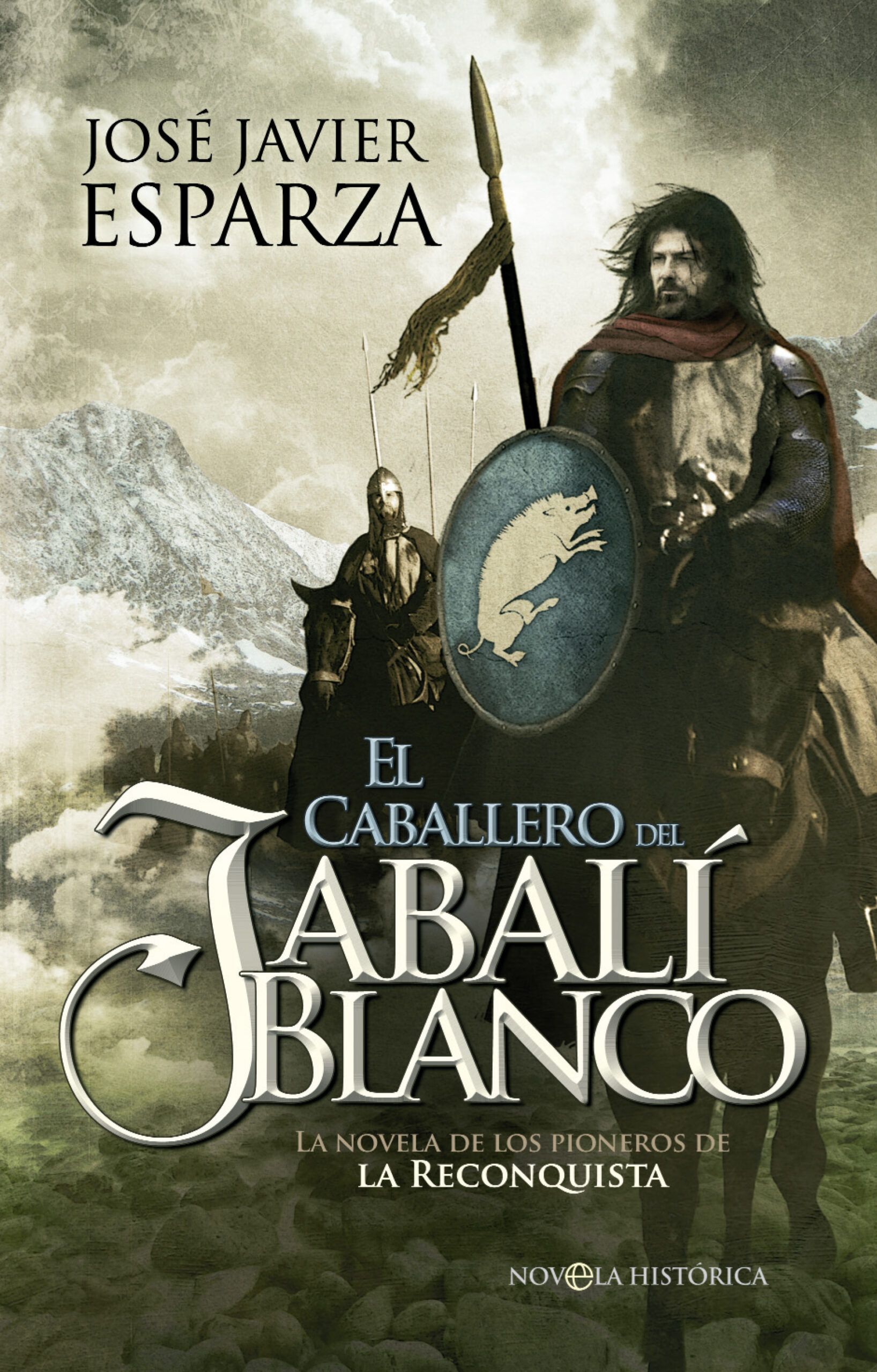
Los demonios del mar: De cuando los vikingos atacaron las costas de España en el siglo IX
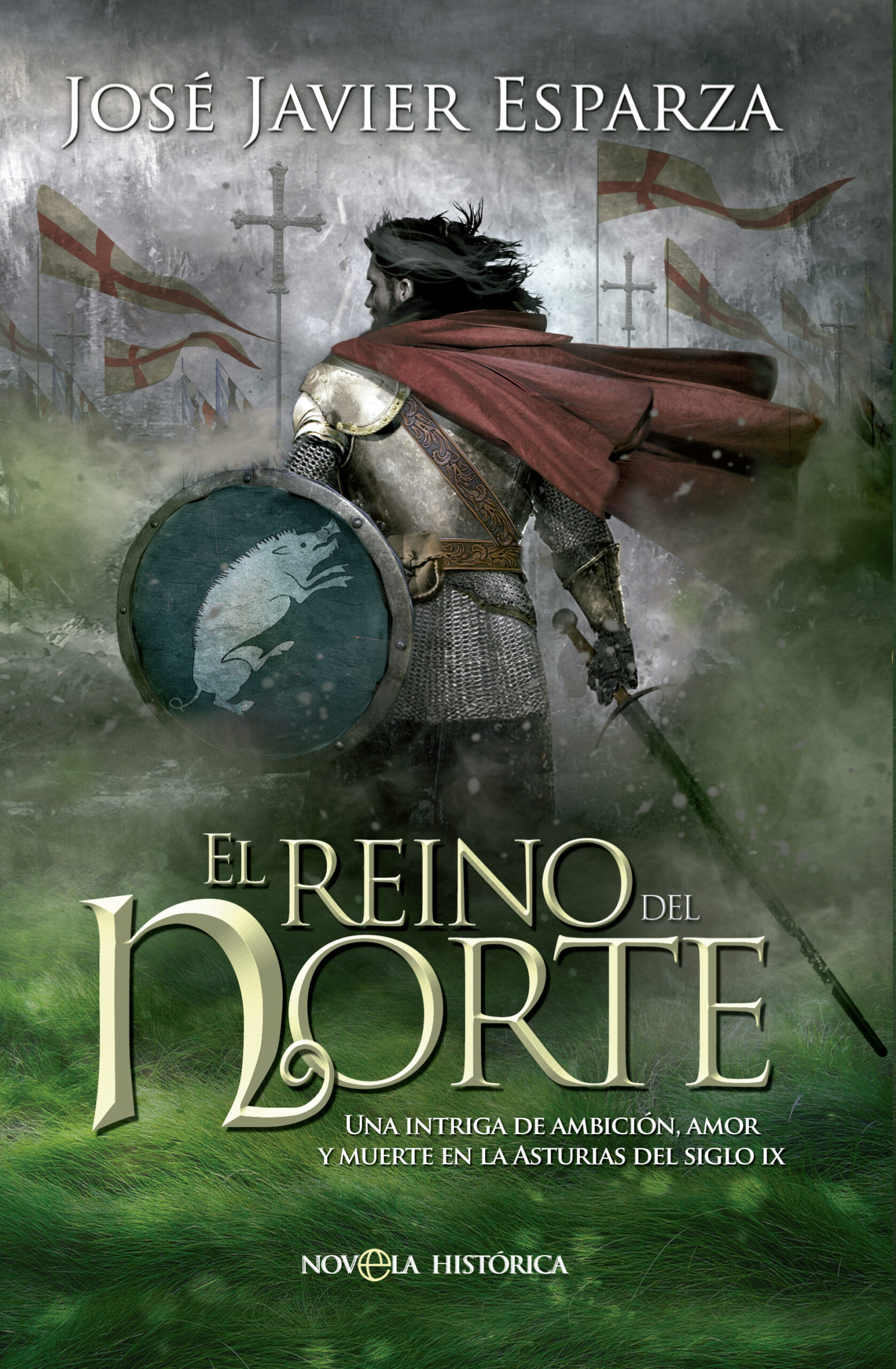
(The Devils of the sea: When the Vikings attacked the shores of Spain in the 9th century) is the third novel of the Los pioneros de La Reconquista (Pioneers of the Reconquest) historical fiction series by José Javier Esparza.

Vikings have been completely romanticize in modern culture. For me personally, Viking history is of little to no interest, but I can see why in the Anglosphere, it’s the opposite. While theirs no interest in me on wanting to know Viking history in depth, I am very much aware of their role in the shape of Western medieval Latin Christendom. Including the Iberia Peninsula. When an average person thinks about the Vikings, in my opinion the first thing that comes to mind is probably Norse Mythology and the sackings in the lands of England and France. In Spain, with the exception of kidnap and hold for ransom of the King of Navarra García I Iñíguez in 859, the Vikings suffered crushing defeats from the hands of both Christians and Muslims in Spain.

This book is a straight continuation of El reino del Norte. In the mist of a civil war between different factions in The Kingdom of Asturias, mercenaries of Norman Viking origin will lure a Viking captain to bring a massive army to sack Spain. In turn, adding an extra element to an already war ragging setting between Christians and Muslims.

While we certainly follow the same characters from El reino del Norte, to me this novel felt more of the real life story of the consolidation of the Kingdom of Austrias. Which I think was one of the main points the author tried describe. In opinion, I think he did an excellent job doing so. I really enjoy returning to this era of The Reconquista and it’s starting to become my one of my favorites to study.